• Skip to primary navigation
  • Skip to main content
  • Skip to footer
Colosseum Entry & Tours

Colosseum Entry & Tours

  • Inside
  • History
  • Facts
  • Opening Hours
  • Location
  • FAQ
  • Admission and Tours
    • Comparison Table
    • Entry to Colosseum, Palatine Hill & Roman Forum (popular)
    • Colosseum, Palatine Hill & Roman Forum Guided Tour
    • Colosseum, Underground & Arena Floor Guided Tour
  • Other Attractions
  • English
    • Deutsch
    • Español

History

History of the Colosseum: Timeline & Summary

History of the Colosseum: Timeline & Summary

Step into the heart of Ancient Rome and experience the awe-inspiring Colosseum, an architectural masterpiece that once hosted gladiatorial contests and public spectacles. This iconic landmark, standing as a testament to the grandeur of the Roman Empire, is a must-visit destination for anyone seeking to immerse themselves in the enduring legacy of the past.

Delve into the rich history of the Colosseum with our timeline and comprehensive overview, unraveling its construction, purpose, and evolution throughout the centuries. Discover the engineering feats that brought this colossal structure to life, the captivating events that unfolded within its walls, and its architecture.


History of the Colosseum: Chronological Timeline

70 A.D.

Emperor Vespasian begins construction of the Colosseum on the site of a former lake in Rome.

80 A.D.

The Colosseum is inaugurated under Emperor Titus with gladiatorial contests and animal hunts lasting 100 days.

81-96 A.D.

Emperor Domitian completes the Colosseum by adding the top level and making further refinements to the structure.

96-192 A.D.

The Colosseum continues to host gladiatorial contests, animal hunts, and public spectacles during the Flavian, Antonine, and Severan dynasties.

192 A.D.

Emperor Commodus, the last Roman emperor to participate in gladiatorial contests, is assassinated in the Colosseum.

313 A.D.

Emperor Constantine I bans gladiatorial contests, marking a decline in the Colosseum’s primary use.

508 A.D.

The Ostrogoths, led by King Theodoric the Great, damage the Colosseum during their siege of Rome.

523 A.D.

The Colosseum is partially restored by Emperor Justinian I.

8th – 13th Centuries

The Colosseum is used as a quarry for building materials, leading to significant damage.

14th – 16th Centuries

The Colosseum serves as a fortified dwelling for wealthy families and as a papal mint for producing coins.

16th – 18th Centuries

The Colosseum becomes a popular tourist destination, with artists and architects sketching and studying its structure.

18th – 19th Centuries

Pope Benedict XIV orders the Colosseum’s partial restoration, clearing debris and removing vegetation.

20th – 21st Centuries

Ongoing restoration efforts aim to preserve the Colosseum’s structure and prevent further deterioration.

1980

The Colosseum is designated a UNESCO World Heritage Site.

Today

The Colosseum stands as an iconic symbol of Rome and ancient Rome, attracting millions of visitors each year. It serves as a reminder of the grandeur and engineering prowess of the Roman Empire.

History of the Colosseum: In-Depth Summary

Explore the fascinating history of the Colosseum through our carefully crafted overview. Delve into each meticulously presented segment, traveling through time to unveil the origins, evolutions, and profound cultural significance of this iconic landmark.

In the heart of ancient Rome, amidst the grandeur of the empire, Emperor Vespasian envisioned a monument that would solidify his legacy and epitomize the power of Rome. Construction of the Colosseum, initially known as the Amphitheatrum Flavium (Flavian amphitheater), began in 70 AD under Vespasian’s reign and was completed by his son, Titus, in 80 AD.

This colossal structure, capable of seating over 50,000 spectators, became the stage for gladiatorial contests, public executions, wild animal hunts, and theatrical performances, captivating the Roman populace for centuries.

The Colosseum stood as a testament to Rome’s imperial might, witnessing the rise and fall of emperors, the ebb and flow of power, and the changing tides of the Roman Empire. Within its walls, gladiators fought to the death, exotic animals were unleashed, and public executions served as stark reminders of the empire’s authority.

As the empire dwindled, the Colosseum’s grandeur gradually faded, its spectacles replaced by the realities of a declining civilization.

With the fall of the Western Roman Empire in 476, the Colosseum faced centuries of neglect and decay. Its once-proud stones were quarried for building materials, its interior plundered for its treasures, and its structure ravaged by earthquakes and fires.

Yet, amidst the ruins, the Colosseum’s enduring presence fueled the imaginations of Renaissance artists and scholars. They saw in its remnants a symbol of ancient grandeur, a source of inspiration for their own artistic and intellectual pursuits.

The 19th century marked a turning point in the Colosseum’s history. Conservation efforts began in earnest, aimed at preserving the remaining structure and restoring its grandeur. The Colosseum became a symbol of Italian national identity, a reminder of the country’s glorious past.

Today, the Colosseum stands as a UNESCO World Heritage Site, visited by over 7 million visitors each year, a testament to the enduring power of human creativity and the enduring legacy of Ancient Rome.

Architecture of the Colosseum

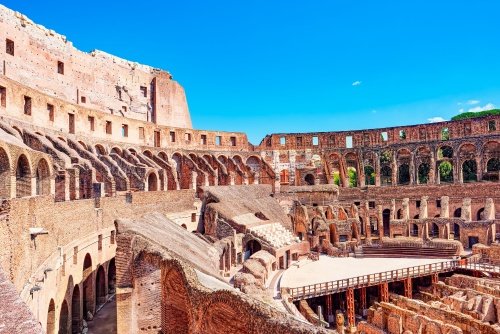
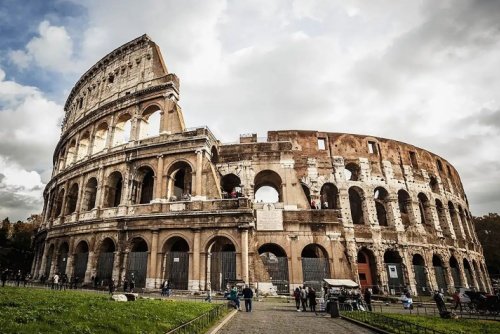
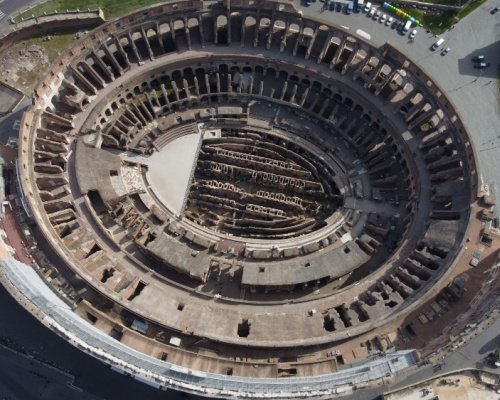
The Colosseum, an architectural marvel of the ancient Roman world, stands as a testament to the engineering brilliance and artistic flair of the era. Its elliptical shape, a hallmark of Roman amphitheaters, was achieved through a series of concentric rings, each supported by vaulted arches. This innovative design allowed for a vast seating capacity, accommodating around 50,000 spectators.

Beyond its structural ingenuity, the Colosseum was adorned with intricate artistic details. The exterior walls were embellished with travertine marble, while the interior featured statues and decorative friezes depicting scenes from Roman mythology and gladiatorial contests. The retractable awning, known as the velarium, provided shade for the spectators.

FAQ: Colosseum History & Facts
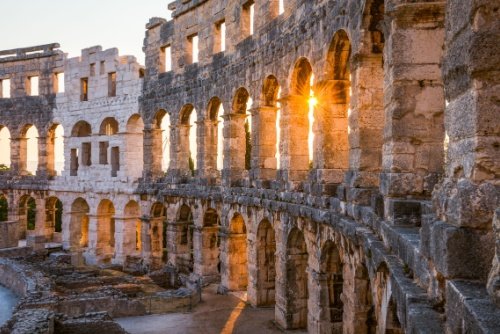
The Colosseum’s real name is the “Flavian Amphitheatre” (in Latin, “Amphitheatrum Flavium”). It was named after the Flavian dynasty of emperors who commissioned its construction: Vespasian, Titus, and Domitian. The amphitheater earned its nickname “Colosseum” due to the colossal statue of Nero, the “Colossus of Nero,” that once stood nearby. Over time, the name Colosseum became widely used to refer to this iconic Roman structure.

The “Porta Libitinensis”, commonly referred to as the “Gate of Death” or “Death Gate,” was not a specific gate in the Colosseum, but a symbolic term associated with gladiatorial combat.

In ancient Roman amphitheaters, including the Colosseum, the Porta Libitinensis was a gate used to remove the bodies of deceased gladiators and animals after the conclusion of events. This gate served as the exit point for those who did not survive the brutal contests within the arena. The name “Libitinensis” is derived from the Roman goddess Libitina, who was associated with funerals and death. While the Colosseum itself does not have a designated “Gate of Death,” the concept reflects the grim reality of the fate that awaited many participants in the gladiatorial games held in Roman amphitheaters.

It’s challenging to determine an exact number of gladiators who died in the Colosseum, as historical records on such details are limited and often imprecise. Estimates suggest that over the approximately 350 years the Colosseum hosted events, up to 400,000 individuals, including gladiators, slaves, convicts, prisoners, and various other performers, may have met their demise within its walls. The amphitheater bore witness to a significant loss of life during its use for a range of human blood sports and spectacles, highlighting the brutal nature of the entertainment that took place in ancient Rome.

Estimating the exact number of animals killed in the Colosseum is challenging, as historical records from ancient Rome provide varied and imprecise information. It’s estimated that approximately one million animals lost their lives during the 390 years of the Colosseum’s activity. The introduction of a spectacle known as “venatio”, essentially translating to hunting, was a prominent feature in amphitheaters throughout ancient Rome. This practice involved the staged combat and display of wild animals, contributing to a substantial toll on various species over nearly four centuries within the amphitheater’s walls.

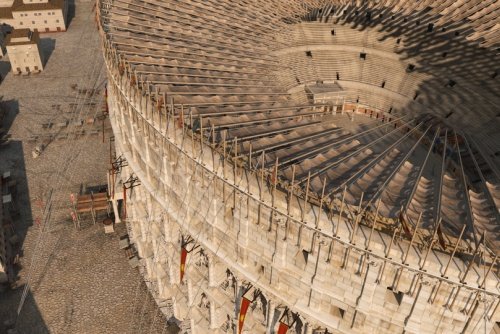
The holes in the Colosseum, known as “putlog holes,” served a practical construction purpose. They were used during the initial construction of the Colosseum to support a series of wooden scaffolding or structures that facilitated the construction process. The Colosseum was built using a complex system of Roman concrete, bricks, and stone blocks. The putlog holes were created by inserting wooden beams into the gaps left in the structure as it was built. These beams provided support for the scaffolding used by workers as they constructed the upper levels of the amphitheater.

>> Discover fascinating facts about the Colosseum in our dedicated page: Fascinating Colosseum Facts.

>> Check out the best places to eat near the Colosseum with our restaurant recommendations.


Top Things to Do in Italy

>> Sistine Chapel Tickets

>> Milan Cathedral

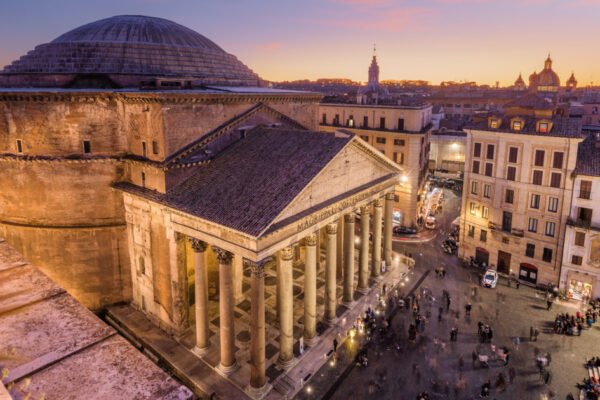
>> Pantheon Rome Tickets & Tours

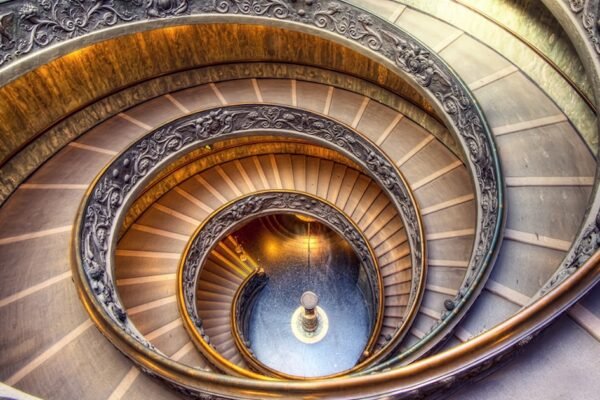
>> Vatican Museum Tickets & Tours

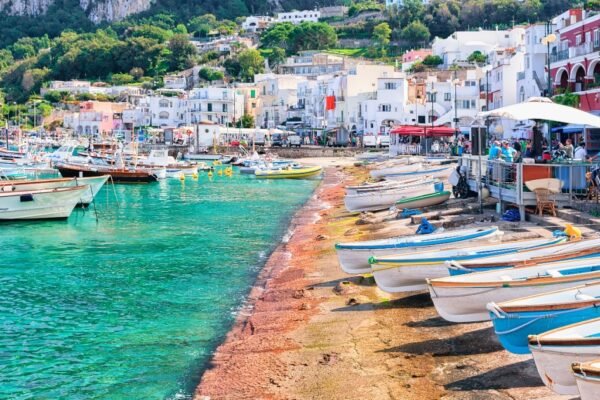
>> Capri Boat Tour

>> Pisa Tower Tickets

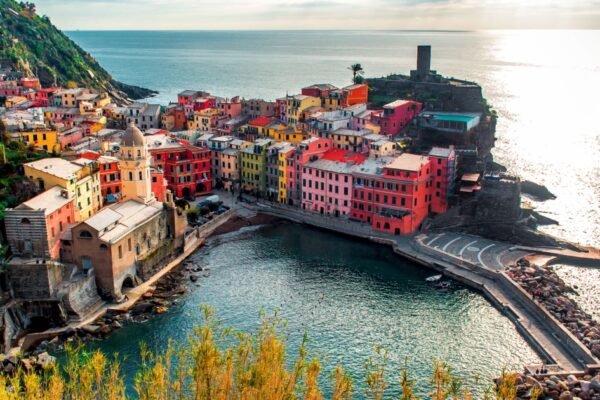
>> Cinque Terre Day Trip

>> Santa Maria delle Grazie Tickets

>> Pompeii Tickets and Tours

Footer

Colosseum Entry & Tours

Most Amazing Places is a brand created by passionate travel professionals. Find the best quality tickets at the best price, across all online operators.

  • Affiliate Disclosure
  • Privacy & Cookies
  • Personal Data Protection

Useful Links

  • Best Restaurants and Cafes
  • Colosseum Entry & Tours
  • Colosseum Underground & Arena Floor Guided Tour
  • Entry to Colosseum, Palatine Hill & Roman Forum
  • Facts
  • FAQ
  • History
  • Inside the Colosseum
  • Location
  • Opening Hours
  • Recommended Admission and Tours
  • Rome: Colosseum, Palatine Hill and Roman Forum Guided Tour

Location

Find on Google Maps

  • Facebook
  • Instagram
  • Pinterest
  • Twitter

This website is not the official venue's website. This website is giving you only an overview of the available ticket options.

Copyright © 2026 · Most Amazing Places · All Rights Reserved